Vector control inverters are essential for modern industrial applications, providing precise control over motor speed and torque. These inverters enhance energy efficiency and ensure smoother operation in various industries. Frecon, a trusted manufacturer, offers advanced solutions such as the FR500A&510A series, which deliver high-performance capabilities and better peak power output. Their vector control inverter technology enables stable and efficient motor control, making it a good choice for businesses seeking optimal energy management.
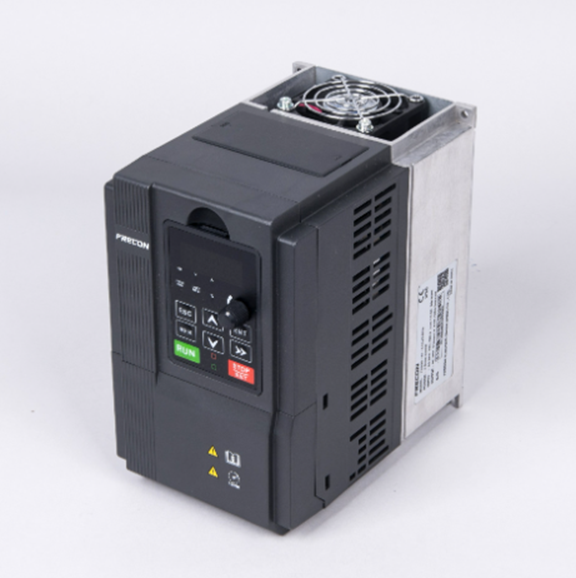
Key Features of Vector Control Inverters
The FR500A&510A series from Frecon showcases several advanced features. These inverters support three-phase motors with a voltage range of 380V and power ratings from 0.75kW to 1000kW. With low-frequency output characteristics, they provide enhanced peak power capacity, ensuring reliable performance in demanding industrial environments. Additionally, Frecon’s vector control inverter technology optimizes motor efficiency, reducing energy consumption and operational costs.
Applications of Vector Control Inverters
Industries such as manufacturing, automation, and energy sectors benefit from the integration of vector control inverters. These devices improve motor responsiveness, enabling precise adjustments in speed and torque. Frecon’s solutions are widely used in conveyor systems, pumps, and HVAC applications, offering consistent and efficient motor control. The implementation of a high-quality vector control inverter can significantly improve production efficiency and machinery longevity.
Conclusion
Frecon’s expertise in developing vector control inverters, including the FR500A&510A series, provides industries with reliable and high-performance motor control solutions. These inverters offer superior energy efficiency, enhanced peak power capacity, and optimized operational stability. By integrating a vector control inverter into their systems, businesses can achieve better performance, lower energy costs, and improved overall productivity.